
Houston climate decision guide
Choosing the Best Fence Material for the Houston Climate
Humidity, heavy rain, intense sun, and hurricane season all shape which fence material makes sense for your Houston property. Here is how the major options compare.
The short answer
Choose for the condition you care about most—privacy, low maintenance, security, or upfront budget—then compare how each material handles moisture, sun, and storm exposure.
Houston's Gulf Coast climate is tough on fences. Between year-round humidity, sudden downpours, intense summer sun, and hurricane season, the material you choose determines how your fence looks and performs a decade from now.
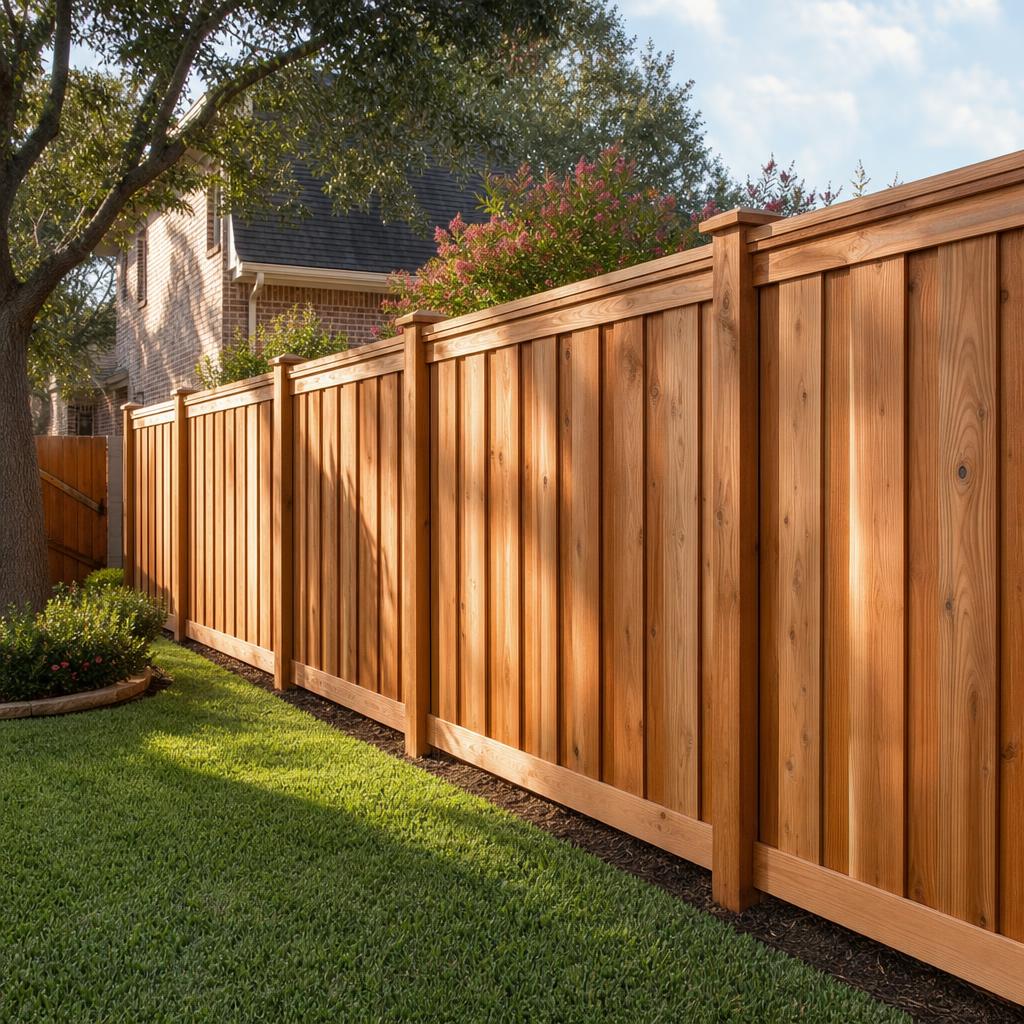
Cedar remains the premium wood choice. Its natural oils resist rot and insects, and it takes stain beautifully. Expect to reseal every two to three years to hold color and slow weathering.
Pressure-treated pine is the budget-friendly workhorse. Treatment resists rot and insects, but boards can warp if they are not sealed and maintained.
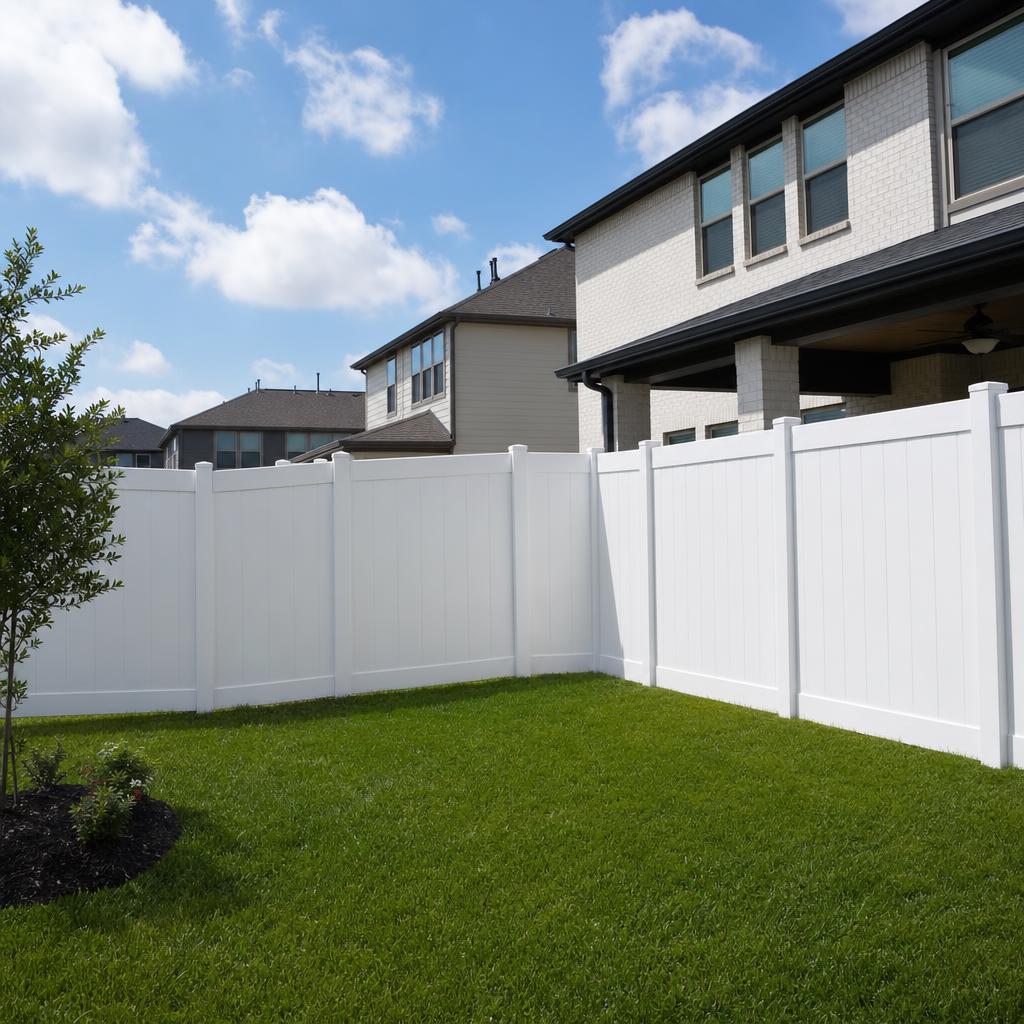
Vinyl and composite minimize maintenance. Both shrug off moisture and never need staining, at a higher upfront cost. Damaged sections are replaced rather than patched.
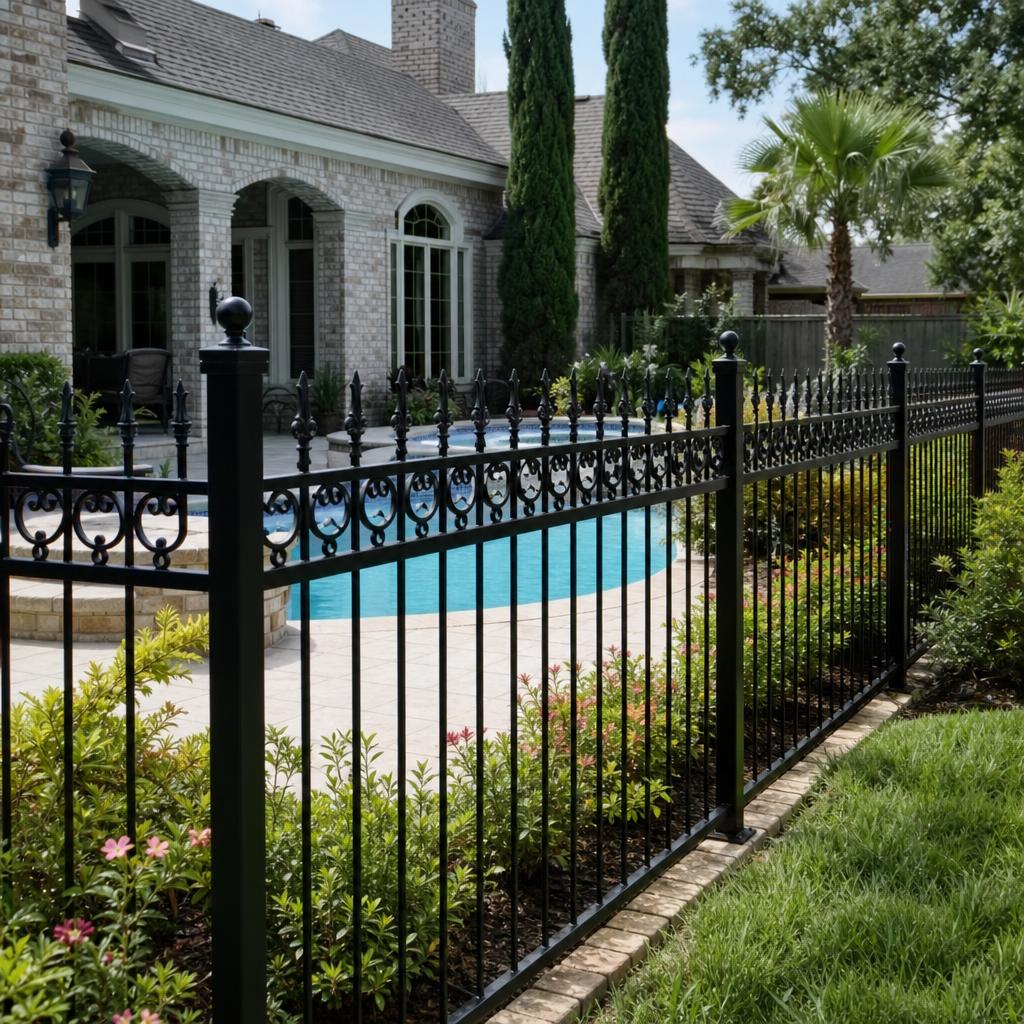
Aluminum and ornamental iron are decorative and secure. Aluminum is rust-free and pool-code friendly; ornamental iron is the strongest option but needs occasional finish touch-ups in the humid climate.
Chain link is the value leader for pets, play areas, and back-of-property lines, with privacy slats available.
The right choice depends on your priorities: privacy, maintenance, budget, security, or looks. Submit a project request to compare options with a contractor who knows your neighborhood.
Step 1
Start with the property, not the catalog
A shaded side yard, an open corner lot, and a pool enclosure put very different demands on a fence. Walk the planned fence line and note drainage, full-sun exposure, grade changes, pets, pool access, and any narrow equipment paths.
- Prioritize airflow on exposed lots where wind pressure is a concern.
- Plan rot-resistant details where sprinklers or poor drainage keep the fence line wet.
- Check HOA rules before settling on height, color, or street-facing materials.
Step 2
Compare the practical tradeoffs
Wood provides warm privacy and broad design flexibility, but it needs periodic sealing. Vinyl and composite reduce routine upkeep but cost more initially. Aluminum is rust-resistant and works well where visibility matters. Ornamental iron emphasizes strength and appearance but needs finish care. Chain link is economical and practical for containment.
- Best natural privacy: cedar or pressure-treated pine.
- Lowest routine maintenance: vinyl, composite, or aluminum.
- Security and open sightlines: ornamental metal or aluminum.
- Budget-conscious containment: galvanized chain link.
Step 3
Ask for a complete scope comparison
A useful estimate should identify the material, post type, gate count, removal needs, finish, and site constraints. Comparing only the total price can hide meaningful differences in construction and long-term upkeep.
- Confirm post material, depth, spacing, and concrete approach.
- Separate demolition, haul-away, permits, and gate hardware in the scope.
- Ask what maintenance the proposed finish requires in Houston conditions.
Keep planning
Next step
Ready to discuss your fence project?
Tell us what you are planning. We will use your project details to connect you with an independent Houston-area contractor who can provide an estimate.
Request a fence quote